PFAS, short for per- and polyfluoroalkyl substances, are a class of man-made chemicals designed to repel water, oil, heat, and stains. PFOS is one specific PFAS compound that was widely used for decades and is chemically similar to many PFAS still in use today. These chemicals were not added to products by accident. They were added because they work extremely well.
The problem is that they also persist indefinitely in the environment and in the human body. Once released, they do not meaningfully break down. This is why they are often referred to as “forever chemicals.”
This article focuses only on products that intentionally contain or historically contained PFAS or PFOS as part of their design. It does not address accidental contamination, trace manufacturing residue, or cross-contamination scenarios, which could apply to almost anything and are not useful for consumer decision-making.
What follows is not an exhaustive list of every PFAS compound or brand. That would be impossible. Instead, this is a category-based reference designed to help the public understand where PFAS have been deliberately used, what part of the product contains them, and how to reduce exposure.
Cookware and Kitchen Products

Non-stick cookware is one of the most widely recognized uses of PFAS.
Products in this category include:
- Non-stick frying pans
- Non-stick saucepans
- Non-stick baking sheets
- Non-stick muffin tins
- Non-stick griddles
- Non-stick waffle irons
- Rice cookers with non-stick bowls
- Slow cookers with non-stick interiors
- Air fryer baskets with non-stick coatings
Where PFAS are used:
The non-stick coating itself. Historically this included PTFE-based coatings that relied on PFAS chemistry to achieve heat resistance and slickness.
Safer alternatives:
Cast iron, stainless steel, ceramic cookware that is explicitly labeled PFAS-free, and enameled cookware.
Food Packaging and Food Contact Materials
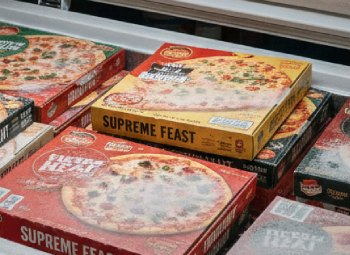
PFAS have been intentionally added to food packaging to prevent grease and moisture from soaking through.
Products include:
- Microwave popcorn bags
- Fast food wrappers
- Burger wrappers
- French fry cartons
- Pizza boxes
- Bakery paper
- Deli paper
- Sandwich wraps
- Paper plates with grease resistance
- Paper bowls
- Takeout containers
- Candy wrappers
- Disposable coffee cups
- Molded fiber bowls
- Compostable food containers treated for grease resistance
Where PFAS are used:
In the paper coating that resists oil and moisture.
Safer alternatives:
Uncoated paper products, reusable containers, glass, metal, and products explicitly labeled PFAS-free.
Clothing, Textiles, and Outdoor Gear
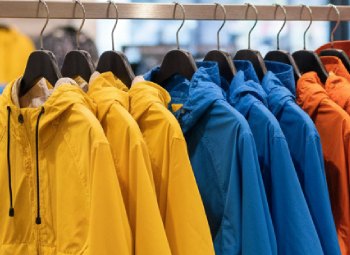
PFAS are used to make fabrics water-resistant, stain-resistant, and windproof.
Products include:
- Rain jackets
- Waterproof coats
- Ski jackets
- Snow pants
- Hiking pants
- Water-resistant uniforms
- Outdoor workwear
- School uniforms with stain resistance
- Carpets
- Area rugs
- Upholstery fabric
- Stain-resistant furniture
- Mattress covers
- Outdoor cushions
- Tablecloths
- Tents
- Sleeping bags
- Backpacks
- Umbrellas
Where PFAS are used:
Fabric treatments, coatings, and finishes.
Safer alternatives:
Untreated fabrics, waxed cotton, wool, silicone-treated textiles, and brands that publish PFAS-free commitments.
Cosmetics and Personal Care Products
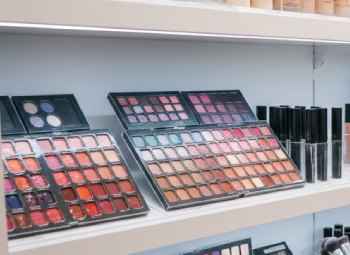
PFAS are used in cosmetics to improve spreadability, durability, and water resistance.
Products include:
- Foundation
- Concealer
- Mascara
- Eyeliner
- Liquid lipstick
- Long-wear lipstick
- Setting spray
- Pressed powder
- BB cream
- CC cream
- Sunscreen
- Waterproof makeup
- Shaving cream
- Anti-aging creams
- Hair styling products
- Nail polish
Where PFAS are used:
Often listed as ingredients containing “fluoro” or “perfluoro” in ingredient lists.
Safer alternatives:
Products marketed as PFAS-free, mineral-based cosmetics, and brands that disclose full ingredient sourcing.
Cleaning Products and Household Chemicals
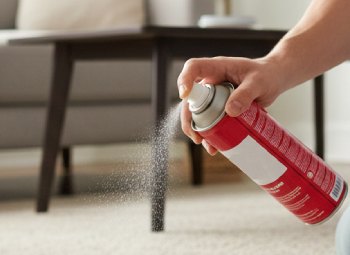
PFAS are used for their surfactant and stain-repelling properties.
Products include:
- Carpet cleaners
- Upholstery cleaners
- Stain removers
- Floor polish
- Floor sealers
- Mold-resistant sprays
- Fabric protectors
- Waterproofing sprays
- Window treatments
- Furniture sprays
Where PFAS are used:
In formulations designed to repel oil and water.
Safer alternatives:
Basic detergents, vinegar-based cleaners, baking soda, and PFAS-free labeled products.
Paints, Sealants, and Building Materials

PFAS are used to improve durability, smoothness, and resistance.
Products include:
- Industrial paints
- Marine paints
- Anti-corrosion coatings
- Concrete sealers
- Stone sealers
- Masonry treatments
- Roof coatings
- Fire-resistant materials
- Popcorn ceiling texture materials
- Insulating foams
- Adhesives
- Caulks
- Sealants
Where PFAS are used:
In the chemical formulation to enhance durability and resistance.
Safer alternatives:
Low-VOC paints, PFAS-free sealants, and materials with full chemical disclosure.
Automotive and Mechanical Products
PFAS are used in high-heat and high-friction environments.
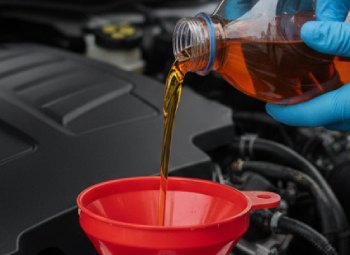
Products include:
- Brake fluid
- Hydraulic fluid
- Transmission fluid
- Engine gaskets
- Fuel hoses
- O-rings
- Lubricants
- Grease
- Wire insulation
- Battery components
- Undercoating sprays
- Upholstery treatments
Where PFAS are used:
In lubricants, seals, and heat-resistant components.
There are no PFAS-free options for vehicle oils and cleaning products. The best defense against PFAS contamination from vehicle fluids is to keep your vehicle well maintained and immediately address leaks.
Firefighting and Military Applications
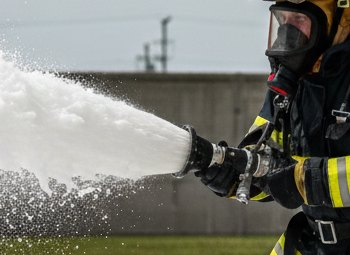
This category has historically been one of the largest PFAS sources.
Products include:
- Aqueous film-forming foam
- Fire suppression foam
- Military firefighting foam
- Airport firefighting systems
- Fire training foam
- Fire-resistant uniforms
- Chemical-resistant gloves
- Protective boots
- Breathing apparatus components
Where PFAS are used:
Foam formulations and protective coatings.
There are no PFAS-free firefighting foam options.
Gardening, Agriculture, and Pest Control

PFAS are used to improve stability and shelf life.
Products include:
- Pesticides
- Herbicides
- Fungicides
- Insect repellents
- Fertilizer coatings
- Soil wetting agents
- Greenhouse liners
- Agricultural films
- Seed coatings
Where PFAS are used:
In formulations to improve spread, adhesion, and longevity.
There are no PFAS-free insecticides. Always wear protective clothing and breathing equipment when using gardening and agricultural chemicals.
How to Reduce PFAS Exposure and Find Safer Alternatives
The most effective step consumers and municipalities can take is to ask questions. PFAS-free products exist, but manufacturers rarely volunteer this information unless asked.
Practical steps include:
- Reading ingredient lists for fluorinated compounds
- Looking for PFAS-free certifications or disclosures
- Contacting manufacturers directly and requesting written confirmation
- Choosing untreated or minimally treated materials
- Avoiding unnecessary stain-resistant or water-resistant products
- Supporting brands that publicly commit to eliminating PFAS
When writing to manufacturers, ask direct questions such as:
Does this product contain PFAS, PFOS, PTFE, or other fluorinated compounds?
Are PFAS used at any stage of manufacturing or treatment?
Can you provide documentation confirming PFAS-free status?
Public pressure works. Many companies have already reformulated products because consumers, regulators, and municipalities demanded transparency.
Why This Matters for Public Safety
PFAS exposure does not come from one product. It comes from accumulation across daily life. Cooking, eating, cleaning, wearing clothes, and drinking water all contribute to overall exposure.
Reducing PFAS use at the product level protects public health and reduces the long-term burden on water systems that were never designed to filter these chemicals.
Understanding where PFAS are intentionally used is the first step toward meaningful prevention, accountability, and cleanup.